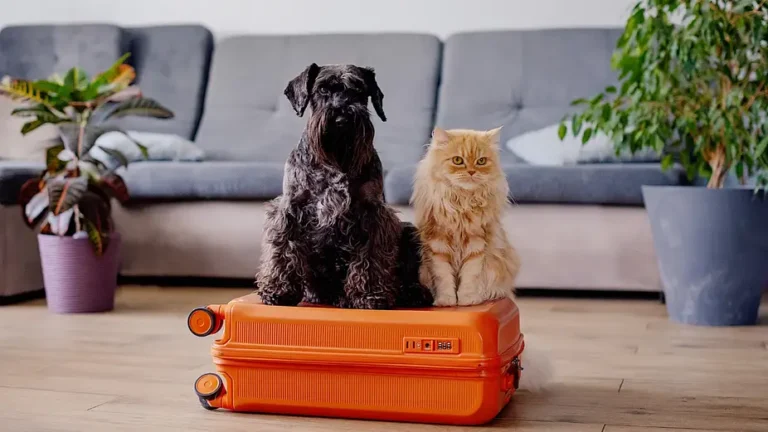
Pet Friendly Travel Ideas UK and Beyond.
Pet Friendly Travel Ideas UK and Beyond
The Best Pet Friendly Travel Ideas in the UK and Beyond
Planning a holiday with your furry companion doesn’t mean settling for second best. The UK and Europe are packed with genuinely pet friendly destinations, beaches, countryside retreats, city breaks, and coastal towns where your dog (or even cat) is as welcome as you are.
Whether you’re dreaming of a windswept Cornish cove or a sun-drenched French village, there’s a perfect trip waiting for you and your four-legged friend.
Why Pet Friendly Travel Is Booming
More UK travellers than ever are choosing to bring their pets along rather than leave them in kennels. It’s easy to understand why, holidays feel more relaxed, guilt-free, and often more adventurous when your pet is part of the journey.
According to National Geographic Traveller (UK), dog-friendly accommodation site Paws & Stay saw its bookings increase 125% since 2023, while Haven holiday parks saw demand for pet-friendly breaks rise by nearly 15% in the same period. A 2024 study by the University of Surrey estimates the dog-friendly travel sector will be worth almost £40 billion by 2030.
The demand for pet friendly accommodation, transport, and activities has grown significantly, and the industry has responded. Hotels, holiday cottages, campsites, and even some restaurants have embraced the pet-owning traveller wholeheartedly.
A study of dog owners in the UK found that 85% would rather take a staycation in the UK with their pets than a holiday abroad without them, according to data compiled by Condor Ferries Pet Travel Statistics.
What Makes a Destination Truly Pet Friendly?
A truly pet friendly destination offers more than just a “pets allowed” sign on the door. Look for:
- Off-lead walking areas or dog-friendly beaches
- Water bowls and treats at cafés and pubs
- Pet-welcoming accommodation (not just “tolerating” pets)
- Nearby vets in case of emergencies
- Low-traffic, safe environments for anxious animals
Top Pet Friendly Destinations in the UK
Cornwall Beach Dog Restrictions
Violation carries a £100 Fixed Penalty Notice. Dogs allowed before 10am and after 6pm.
The UK is genuinely one of the best countries in the world for travelling with pets, particularly dogs. From rugged Scottish highlands to sandy Welsh bays, the variety is extraordinary.
Cornwall: The Classic Dog Friendly Holiday
Cornwall tops almost every list of pet friendly UK destinations, and for good reason. Many of its beaches allow dogs year-round, including:
- Sennen Covewide, wild, and wonderful
- Kynance Covedramatic cliffs and clear water
- Porthtowangreat surf energy and dog-friendly stretches
Padstow, St Ives, and Falmouth all have dog-friendly pubs, cafés, and independent shops. Accommodation ranges from luxury dog-friendly cottages to budget-friendly campsites that welcome pets.
Top tip: Always check seasonal restrictions before you go. According to Cornwall Council’s official Dogs on Beaches guidance, restrictions on most beaches apply between 10am and 6pm from 1 July to 31 August. Blue Flag and Seaside Award beaches have a longer restriction window, running from 15 May to 30 September. Dogs are permitted before 10am and after 6pm even on restricted beaches. It is an offence to take your dog on a beach during restricted times, which can result in a Fixed Penalty Notice of £100.
The Lake District: Walks and Wilderness
The Lake District is a paradise for active pet owners. Hundreds of miles of footpaths, open fells, and lakeside trails make it ideal for energetic dogs (and their equally energetic owners).
Key highlights:
- Catbellsone of England’s most iconic dog-friendly hikes
- Buttermerea peaceful lake walk suitable for all fitness levels
- Ambleside and Keswickboth towns have excellent dog-friendly cafés and pubs
Many of the region’s traditional inns and boutique B&Bs actively welcome dogs, sometimes offering dog beds, towels, and welcome treats.
Pembrokeshire, Wales: Coastal Magic
Pembrokeshire’s coastline is dramatic, unspoilt, and brilliantly set up for pet-owning visitors. According to the Pembrokeshire Coast National Park Authority, you and your dog are welcome on more than 50 of Pembrokeshire’s beaches, with some having dog restricted areas or bans between 1 May and the end of September.
Standout spots include:
- Barafundle Bayoften voted one of the UK’s most beautiful beaches
- Tenbycharming harbour town with dog-friendly accommodation
- St Davidsthe UK’s smallest city, surrounded by stunning walking country
The Pembrokeshire Coast Path runs for 186 miles along the entirety of the park, a world-class long-distance route for dogs and their owners alike.
Scotland: Highlands, Islands, and Open Space
Scotland offers something no other part of the UK can match, the right to roam. According to the Scottish Government, the Land Reform (Scotland) Act 2003 introduced new rights of responsible public access to land and the countryside throughout Scotland. As one legal expert summarised: those exercising access must act responsibly, including “closing gates, keeping dogs on leads around livestock, not going into people’s gardens or fields where crops are growing.”
Popular pet friendly Scottish destinations:
- Loch Lomond and The Trossachsaccessible from Glasgow, endlessly scenic
- The Isle of Skyerugged, remote, and breathtaking
- Cairngorms National Parkat 4,528 sq km, the UK’s largest national park, according to Cairngorms National Park Authority, perfect for long adventures
- North Berwicka charming East Lothian town with dog-friendly beaches and a brilliant atmosphere
Pet Friendly Travel Beyond the UK: Europe and Further Afield
Microchip
Implant microchip before rabies vaccination
Rabies Vaccine
Vaccinate, then wait at least 21 days
Get Your AHC
Official Vet issues certificate within 10 days
Tapeworm Check
Required for Finland, Ireland, Malta, Norway
Travelling abroad with your pet from the UK requires some planning, but it opens up a world of incredible experiences. Europe in particular is wonderfully pet-friendly, especially for dogs.
What You Need to Travel Abroad with Your Pet from the UK
Since Brexit, the rules for taking pets abroad have changed. Here’s a quick summary of what’s currently required, based on official GOV.UK guidance on Animal Health Certificates:
| Requirement | Details |
|---|---|
| Microchip | Must be implanted before rabies vaccination |
| Rabies vaccination | Up to date; must wait at least 21 days after first vaccination before travel |
| Animal Health Certificate (AHC) | Required for each trip to the EU; issued by an Official Veterinarian (OV) |
| Tapeworm treatment | Required for dogs entering Finland, Ireland, Malta, Norway, or Northern Ireland, between 24 and 120 hours before travel |
| Timing | AHC must be issued no more than 10 days before entering the EU |
Important: The UK’s pet passport is no longer valid for travel to the EU. You’ll need a new Animal Health Certificate from an Official Veterinarian for every trip. According to Your Europe (EU official portal), once issued, the AHC is valid for travel between EU countries for up to 6 months (or until the anti-rabies vaccination expires, whichever lapses first). Always check the latest official guidance before booking.
France: The Most Pet Friendly Country in Europe?
France is arguably the most pet-friendly country on the continent. Dogs are welcomed in restaurants, on public transport, in markets, and even in some museums. The French genuinely love animals, and it shows.
Best pet friendly regions in France:
- Brittanyrugged coastline, wild beaches, and a relaxed pace
- Dordognerolling countryside, medieval villages, and dog-friendly gîtes
- Normandywide beaches, historic towns, and easy access from the UK via ferry
- Provencelavender fields, hilltop villages, and warm evenings on terraces
Ferries from Portsmouth, Poole, and Plymouth to Normandy and Brittany are the most stress-free way to travel to France with a pet. Several operators have dedicated pet areas on board.
Portugal: Sunshine and Dog-Friendly Beaches
Portugal has become increasingly popular with UK pet owners, and it’s not hard to see why. The climate is warm, the people are welcoming, and many beaches and towns are genuinely dog-friendly.
- Algarvesome beaches allow dogs outside peak season; check local rules
- Lisbona surprisingly dog-friendly city with parks and café culture
- Alentejorural, peaceful, and perfect for long country walks
- Northern Portugalgreen, lush, and far less crowded than the south
The Netherlands: Urban Pet Friendly Perfection
Amsterdam and the broader Netherlands might not be the first destination that springs to mind, but it’s one of Europe’s most dog-friendly countries. Dogs travel free or at low cost on public transport, and the flat cycling landscape is ideal for active pets.
- Amsterdamdogs welcomed in many cafés, bars, and even some hotels
- Hoge Veluwe National Parkvast heathland and forest, accessible with dogs on leads (entrance fee applies)
- Zeelandcoastal province with wide beaches and a relaxed vibe
Italy: La Dolce Vita with Your Pet
Italy is improving its pet-friendly credentials rapidly. While the rules vary by region and beach, many Italian towns and cities are welcoming to well-behaved dogs.
- Tuscanyagriturismo farms often welcome pets warmly
- Lake Como and Lake Gardastunning scenery with pet-friendly boat trips
- Cinque Terrethe hiking trails are dog-friendly (though steep!)
- Pugliathe “heel” of Italy, with whitewashed villages and quieter beaches
Pet Friendly Accommodation: What to Look For and Where to Book
Choosing the right place to stay makes or breaks a pet friendly holiday. Not all “pets allowed” accommodation is created equal.
Types of Pet Friendly Accommodation
Self-catering cottages remain the gold standard for pet owners. You have your own space, garden access, and no worries about disturbing other guests. According to National Geographic Traveller (UK), 70% of all dog-friendly bookings in 2024 were for a property with an enclosed garden.
Glamping and camping has exploded in popularity and is often brilliantly set up for pets. Many glamping sites offer:
- Enclosed outdoor areas
- Dog washing stations
- Direct access to countryside or beach
Dog-friendly hotels are becoming more sophisticated. Some now offer dedicated pet menus, dog beds, and even grooming services. Look for properties that are genuinely enthusiastic about pets, not just tolerant.
Airbnb has a strong pet-friendly filter. Always message the host in advance to confirm the setup, garden size, proximity to roads, and any restrictions on pet numbers.
Questions to Ask Before Booking
Before confirming any pet-friendly accommodation, ask:
- Is the garden fully enclosed?
- Are pets allowed on furniture or in bedrooms?
- Is there a pet fee or deposit?
- How many pets are allowed?
- Are there any breed or size restrictions?
- Is there a dog washing/drying area?
Money-saving tip: Many pet-friendly cottages charge a one-off pet fee rather than a nightly surcharge. Comparing total costs (not just nightly rates) can save you a significant amount over a week-long stay.
Practical Tips for Stress-Free Pet Friendly Travel
Pet Travel Essentials
5 points- 1 Health records and vaccination certificates
- 2 Pet first aid kit with tick remover
- 3 Collapsible water bowl and poo bags
- 4 Familiar blanket or toy to reduce anxiety
- 5 Pet insurance documents for emergencies
Even the most laid-back pet can find travel stressful. A little preparation goes a long way in keeping both you and your animal calm and comfortable.
Preparing Your Pet for Travel
- Start with short journeys if your pet isn’t used to long trips
- Use familiar bedding in the car or carrier to provide comfort
- Avoid feeding a large meal right before travel to prevent car sickness
- Plan regular rest stops every 2 hours on long drives
- Bring fresh water and a portable bowl, hydration is crucial
For anxious pets, speak to your vet before travelling. There are various calming supplements and, in some cases, prescription options that can make a real difference.
Packing the Pet Travel Essentials
Don’t leave home without:
| Item | Why It’s Essential |
|---|---|
| Health records and vaccination certificates | Required for international travel; useful anywhere |
| Microchip details | Keep a note of the number separately |
| Pet first aid kit | Bandages, antiseptic wipes, tick remover |
| Collapsible water bowl | Lightweight and invaluable |
| Poo bags (lots) | Non-negotiable everywhere |
| Lead and harness | A secure harness is safer in cars |
| Familiar toy or blanket | Reduces anxiety in new environments |
| Flea and tick treatment | Especially important in rural or wooded areas |
| Pet insurance documents | Essential for emergencies abroad |
Keeping Your Pet Safe on Holiday
- Always use a lead near roads, even if your dog is usually reliable off-lead
- Check for local hazardsblue-green algae in lakes, adder snakes in heathland, jellyfish on beaches
- Keep pets cool in summernever leave animals in hot cars, even briefly
- Register with a local vet at your destination as a precaution
- Ensure ID tags are up to date with your mobile number
Budget Pet Friendly Travel: Making It Affordable
- £20-£40+ per night
- Drop-off and pick-up stress
- Guilt of leaving pet behind
- No pet on the trip
- Modest one-off pet supplement
- More relaxed, guilt-free holiday
- Pet enjoys the adventure
- Often cheaper overall
Travelling with a pet doesn’t have to cost a fortune. With some smart planning, a pet friendly holiday can be genuinely affordable, and sometimes even cheaper than paying for kennels.
Where to Find the Best Deals
- Book self-catering accommodationcooking your own meals saves significantly on food costs
- Travel in shoulder season (May, June, September, October), prices drop and crowds thin out
- Look for “free nights” dealsmany cottage providers offer 7-for-6 or similar promotions
- Use cashback sites when booking through major providers
- Consider the ferry over flyingfor European trips, ferries are often cheaper and far less stressful for pets
The Real Cost Comparison: Kennels vs. Taking Your Pet
Many UK pet owners are surprised to discover that bringing their dog on holiday can actually cost less than leaving them behind. When you factor in:
- Kennel fees (often £20-£40+ per night)
- The emotional cost of leaving a pet
- The stress of drop-off and pick-up logistics
…a pet-friendly cottage with a modest pet supplement suddenly looks very attractive.
At Your Friend in Travel, we always recommend running the full cost comparison before assuming it’s cheaper to leave your pet at home.
Free and Low-Cost Pet Friendly Activities
Some of the best pet-friendly experiences cost nothing at all:
- National Trust propertiesmany gardens and grounds are dog-friendly, as confirmed by the National Trust’s dog-friendly places directory (membership gives free entry to over 500 places)
- Forest walks and National Parksfree to access across the UK
- Dog-friendly beachesno entry fee, infinite entertainment
- Canal towpath walkspeaceful, flat, and perfect for dogs of all ages
- Country pub gardensoften dog-friendly and perfect for a relaxed afternoon
Travelling with Cats and Other Pets: Beyond Dogs
While dogs dominate the pet travel conversation, a growing number of UK travellers are exploring holidays with cats, rabbits, and even small animals.
Cat-Friendly Travel Tips
Cats are more challenging travellers than dogs, but it’s absolutely possible with the right approach:
- Use a secure, comfortable carrieryour cat’s safe space throughout the journey
- Cover the carrier with a light blanket to reduce visual stimulation
- Never let cats roam free in a moving vehicle
- Choose quieter, more secluded accommodationbusy environments stress most cats
- Bring their litter tray and familiar foodconsistency reduces anxiety
Self-catering cottages with enclosed gardens are ideal for travelling with cats. Some specialist providers even offer “cat-friendly” accommodation specifically designed with feline needs in mind.
Travelling with Smaller Animals
For rabbits, guinea pigs, or small birds, the key considerations are:
- Temperature controlsmall animals are vulnerable to heat and cold
- Minimise journey time where possible
- Bring their usual food and beddingdietary changes cause stress
- Check accommodation rulesnot all “pet-friendly” properties welcome small animals
Always consult your vet before travelling with any animal that isn’t accustomed to being moved.
Frequently Asked Questions
Cornwall, the Lake District, the Scottish Highlands, and Pembrokeshire are among the top pet-friendly destinations in the UK. From Cornwall’s beaches, where dogs are welcome year-round on many beaches, with seasonal restrictions on others, to the dramatic fells of the Lake District and Scotland’s wide-open landscapes, there’s no shortage of tail-wagging adventures. Book early, as the best pet-friendly accommodation fills up fast.
You now need an Animal Health Certificate (AHC) for every single trip to the EU, issued by an Official Veterinarian within 10 days of your departure. Your pet must also be microchipped and have an up-to-date rabies vaccination given at least 21 days before travel. According to GOV.UK, your pet will need a new Animal Health Certificate for each trip to an EU country. Book your vet appointment early, slots fill up quickly around holidays.
Most dog-friendly hotels and holiday cottages charge a supplement per dog per stay. Costs vary widely depending on the property type and location. Always read the fine print carefully, “pet-friendly” can mean different things depending on the property, including restrictions on breed size or the number of pets allowed.
A well-prepared pet travel kit makes all the difference for a stress-free trip. Essentials include:
- Vaccination records and microchip ID
- Flea, tick, and worming treatment up to date
- Collapsible water bowl, food, and waste bags
- A familiar blanket or travel bed, plus favourite toys
A basic pet first aid kit and your vet’s contact details are also strongly advisable, especially when exploring remote countryside.
Yes, many UK beaches welcome dogs, though seasonal restrictions often apply. In Cornwall, for example, according to Cornwall Council, standard restrictions ban dogs between 10am and 6pm from 1 July to 31 August, while Blue Flag and Seaside Award beaches have a longer restriction window running from 15 May to 30 September. Dogs are permitted before 10am and after 6pm even on restricted beaches. Always check local rules in advance, as restrictions vary by location and time of year.
Airline pet policies vary significantly, so always check before booking. Many major UK budget airlines do not allow pets on board, neither in the cabin nor in the hold, except for certified assistance dogs on selected routes. Each airline has different rules regarding cabin or hold travel, weight limits, and required documentation. Book any pet travel arrangements as early as possible, as spaces are limited and sell out quickly.
Pet insurance is strongly recommended whenever you travel with your pet. According to a January 2026 survey by ManyPets covering 49 emergency vets across the UK, the average cost of an out-of-hours emergency consultation is £275.72, and that figure covers only the initial consultation, before any treatment. Costs abroad can be even higher. A good policy should cover emergency veterinary treatment, trip delays, and unexpected costs. Always identify your nearest vet and out-of-hours service before arriving at your destination.
Sources for this article
9
Official sources
Other references