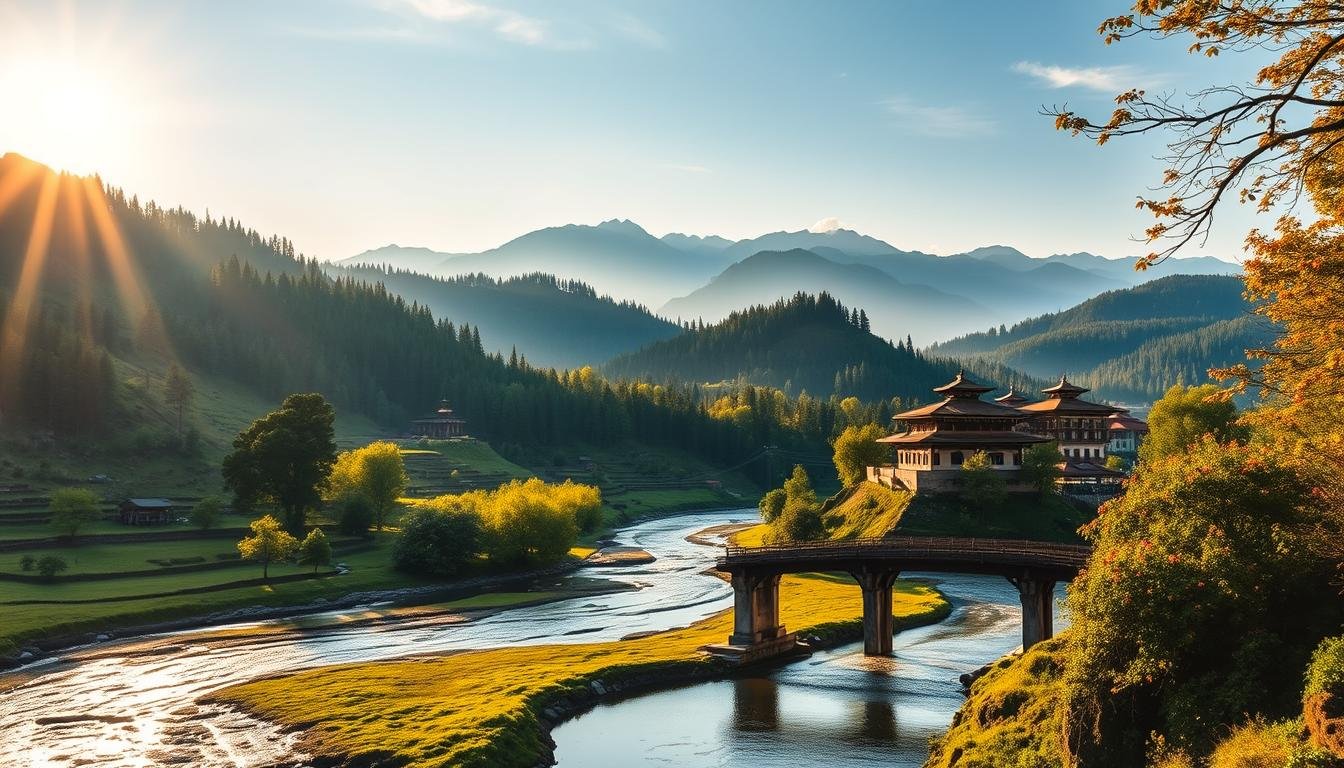
Thinking about my trip to Bhutan makes me remember its stunning views and deep culture. The Land of the Thunder Dragon mixes old traditions with amazing nature. Knowing the ideal time to visit is key to a great trip.
Bhutan’s weather changes a lot all year. I say go in spring or autumn for the best weather. October to December is perfect, with clear skies and fresh air.
Key Takeaways
- Visit Bhutan during spring or autumn for optimal weather conditions.
- The period from October to December offers clear skies and fresh air.
- Bhutan’s climate varies significantly across different seasons.
- Plan your trip according to your preferences for the best experience.
- Bhutan is known for its rich cultural heritage and breathtaking landscapes.
Understanding Bhutan's Unique Climate
Bhutan’s climate is as varied as its landscapes. It ranges from subtropical to alpine. This variety comes from the country’s geography, which shapes its weather.
Geographical Influences on Weather Patterns
Bhutan’s terrain changes a lot. It goes from low-lying subtropical areas in the south to high-altitude alpine zones in the north. The change in elevation affects the climate, with temperatures dropping as you go higher.
The Himalayan mountains block cold winds from the north. They also make monsoon winds drop their moisture, leading to lots of rain in summer.
The Four Distinct Seasons of Bhutan
Bhutan has four clear seasons: spring, summer, autumn, and winter. Spring is mild and lovely, with wildflowers blooming. It’s a great time to visit.
Summer is the monsoon season. The south gets heavy rain, while the higher areas have milder temperatures. Autumn is perfect for trekking and sightseeing, with clear skies and nice temperatures.
Winter can be cold, but it’s beautiful. The crisp air and snow make it a great time to see Bhutan’s culture.
When Is the Best Time to Visit Bhutan? A Month-by-Month Guide
The best time to visit Bhutan depends on what you like. The country is great for festivals, trekking, or a quiet break. Knowing the weather each month is key.
Spring (March-May): Blooming Rhododendrons and Mild Weather
Spring is a top time to see Bhutan. The weather is nice, warming up after winter. Blooming rhododendrons make the views stunning. It’s also festival time, with the Paro Tshechu being a highlight.
Visitors can trek without the crowds of summer. It’s a great time for photos and festivals.
Summer (June-August): The Monsoon Season and Lush Landscapes
Summer in Bhutan means rain and green landscapes. It’s good for those who like fewer people and lower prices. The valleys are very green, and the clouds are dramatic for photos.
But, trekking at high altitudes can be tough because of the rain.
| Month | Weather | Activities |
|---|---|---|
| June | Monsoon onset | Visit valleys, photography |
| July | Heavy rainfall | Explore lush landscapes |
| August | Continued monsoon | Cultural visits, festivals |
Autumn (September-November): Clear Skies, Festivals and Perfect Visibility
Autumn is a busy time in Bhutan. The skies are clear, and it’s perfect for trekking and seeing sights. The air is cool and crisp, great for outdoor fun.
Thimphu Tshechu and other festivals happen then. The landscapes are green from the summer rains, making a beautiful scene.
Winter (December-February): Crisp Air, Snow and Fewer Tourists
Winter is quiet in Bhutan, with fewer visitors. The high places get snow, perfect for winter sports or just enjoying the snow. Some passes might be closed, but the valleys are open.
In conclusion, spring and autumn are the best times for nice weather and cultural experiences. But each season has its own beauty. Plan your trip to match your interests for a great visit.
Regional Weather Variations Across Bhutan
Bhutan’s weather is as varied as its beautiful landscapes. Knowing these differences helps you pack right and enjoy your trip.
Western Bhutan
Western Bhutan, with places like Paro, Thimphu, and Punakha, has a warmer and more humid climate. The valleys are mild, with warm summers and cool winters. But, the high places can get very cold, mainly in winter.
Central Bhutan
Bumthang and Trongsa show Central Bhutan’s climate. It’s milder and more stable than the west. This area is full of beauty and is Bhutan’s cultural heart. The weather is usually mild, great for trekkers and culture lovers.
Eastern Bhutan
Trashigang and Mongar in Eastern Bhutan have a unique climate. Summers are warmer, and winters cooler. The monsoon makes the area green and lovely in summer.
Knowing these weather differences helps plan your trip and stay comfortable in Bhutan.
Bhutan's Festival Calendar: Planning Your Visit Around Tshechus
Bhutan’s Tshechus are a peek into the country’s rich culture. Visiting during these festivals is rewarding. You’ll see masked dances, traditional music, and colorful costumes.
Spring Festivals
Spring is perfect for Bhutan’s festivals. The Paro Tshechu is a top event. It’s held in the Paro valley for five days. You’ll see dances like the Guru Rimpoche dance, which brings blessings.
The Punakha Drubchen is also a big spring festival. It celebrates Padmasambhava’s victory over evil. It’s a chance to see Bhutan’s rich culture.
Autumn Festivals
Autumn is another busy festival season in Bhutan. The Thimphu Tshechu is a highlight. It’s a five-day festival with masked dances, like the Shana dance.
The Jambay Lhakhang Drup is another autumn festival. It’s in Bumthang town. You’ll see masked dances and a ritual dance around the Jambay Lhakhang temple.
Winter Celebrations
Winter might seem quiet for tourism in Bhutan, but there are festivals. The Trongsa Tshechu is a four-day festival in Trongsa. It has masked dances and music.
The Druk Wangyel Tshechu is another winter festival. It’s at the Dochula Pass. It celebrates Bhutan’s victory over Tibet and has masked dances and rituals.
| Festival | Location | Time of Year |
|---|---|---|
| Paro Tshechu | Paro | Spring |
| Punakha Drubchen | Punakha | Spring |
| Thimphu Tshechu | Thimphu | Autumn |
| Jambay Lhakhang Drup | Bumthang | Autumn |
| Trongsa Tshechu | Trongsa | Winter |
| Druk Wangyel Tshechu | Dochula Pass | Winter |
Trekking Seasons in Bhutan: When to Hit the Trails
Bhutan is a great place for trekkers. The best times to go are in spring and autumn. Knowing when to go is key for a good trip.
Prime Trekking Months
The best months for trekking in Bhutan are March to May and September to November. The weather is clear and stable then. You’ll see amazing views of the Himalayas.
In spring, the trails are full of colourful rhododendrons. Autumn offers clear skies and nice temperatures.
Famous Treks by Season
Bhutan has many trekking routes. Each one is special in its own way. Here are a few famous ones:
- The Snowman Trek: It’s one of the toughest treks. Spring is the best time because the snow is firm.
- The Druk Path Trek: You can do this trek in spring and autumn. It offers beautiful views of valleys and mountains.
- The Jomolhari Trek: This trek is loved by many. Autumn is the best time because the weather is clear.
| Trek Name | Best Season | Duration | Difficulty Level |
|---|---|---|---|
| Snowman Trek | Spring | 25-30 days | Extreme |
| Druk Path Trek | Spring, Autumn | 5-7 days | Moderate |
| Jomolhari Trek | Autumn | 8-10 days | Challenging |
Seasonal Trekking Challenges and Preparations
Trekking in Bhutan has its challenges. You might face altitude sickness, unpredictable weather, and tough terrain. To stay safe, you need to prepare well.
- Get used to the high altitude
- Bring the right gear for the season
- Go with experienced trek leaders
By knowing the seasons and preparing, you’ll have a great trekking experience in Bhutan.
Cultural Experiences and Seasonal Considerations
Visiting Bhutan is all about its culture. The seasons shape the country’s farming, religious life, and daily routines. Traveling here, you’ll learn a lot by respecting these cultural differences.
Farming Seasons and Rural Life Experiences
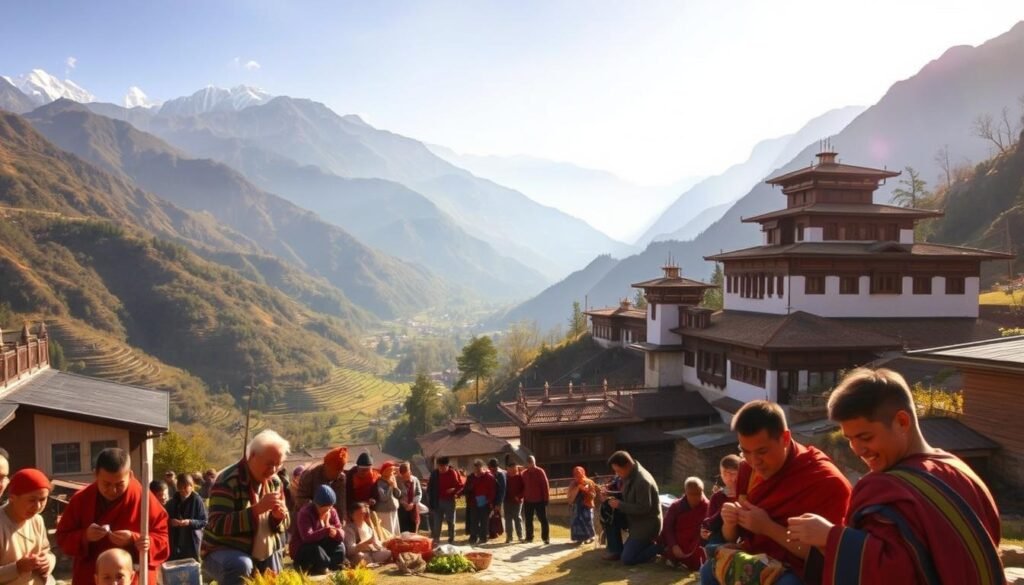
Bhutan’s countryside changes with the seasons. Spring is for planting rice and other crops. Autumn is harvest time. Visiting then lets you see traditional farming and meet locals.
Seasonal Religious Practices and Monastery Visits
Religion in Bhutan changes with the seasons. Festivals and rituals happen all year. Monastery visits are special, showing off Bhutan’s rich culture. Events like Paro Tshechu in spring and Thimphu Tshechu in autumn draw many.
Seasonal Etiquette and Cultural Sensitivity
Respecting Bhutan’s culture is key. Dress modestly at dzongs and monasteries. Remove your shoes when asked. Be quiet and respectful at ceremonies. Knowing these rules makes your visit better and helps you connect with locals.
Photography and Sightseeing: Capturing Bhutan's Beauty
Photographers love Bhutan for its mix of culture and stunning views. The country’s seasons change, giving many chances to take amazing photos. You can see everything from lively festivals to calm landscapes.
Bhutan’s seasons change, giving photographers a new view every time. In spring, flowers bloom and festivals happen.
Spring Photography: Flowers and Festivals
Spring is perfect for photos of Bhutan’s flowers, like rhododendrons. The Paro Tshechu festival is a big event with colorful masks and dances.
Summer Photography: Green Valleys and Dramatic Clouds
Summer is green and full of clouds, great for landscape photos. The monsoon season makes the scenery even more interesting.
Autumn Photography: Clear Mountain Views and Golden Harvests
Autumn has clear views of mountains and golden fields, perfect for photos. The Thimphu Tshechu festival is a highlight too.
Winter Photography: Snow-Capped Dzongs and Pristine Landscapes
Winter makes Bhutan’s landscapes calm, with snow on dzongs. It’s a good time to take photos of the country’s buildings.
To get the best photos in Bhutan, bring the right gear. Be ready for different landscapes and events.
Budget Considerations: High Season vs. Low Season Travel
Planning a trip to Bhutan means knowing about budget. The cost changes a lot based on when you go. Peak and off-peak seasons have different prices.
Peak season is spring (April-May) and autumn (September-November). Prices for places to stay and tours go up. It’s because many people want to see the mountains and festivals.
Peak Season Pricing and Availability
Book early in peak season to find a place. Prices for luxury lodges and tours are very high. You need to save money for these costs.
Off-Season Discounts and Incentives
Off-season is December-February and June-August. You can save a lot. Hotels and tours give special deals to get more guests. The weather might not be perfect, but it’s less crowded. Think about off-season travel for a cheaper trip.
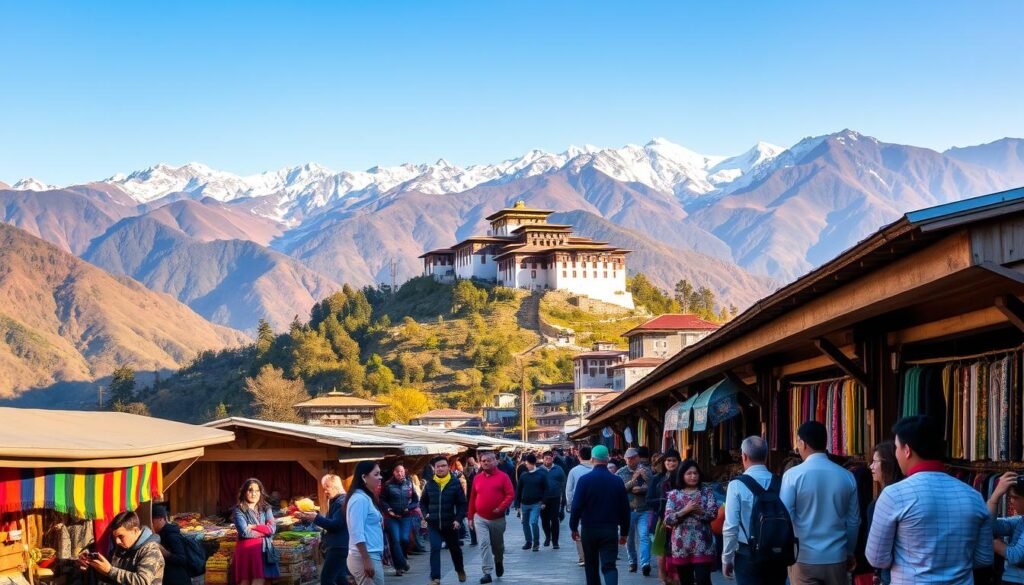
Choosing between peak and off-season helps you plan a trip that’s right for you. It’s about finding what fits your budget and what you like.
Practical Travel Tips for Each Season
Planning a trip to Bhutan means thinking about travel details. Knowing the seasons and how they affect your trip is key.
Packing Essentials by Season
For Bhutan’s seasons, packing right is important. In spring and autumn, wear layers because the weather changes. Summer needs light clothes and rain gear. Winter calls for warm, thick clothes.
Remember to pack comfy shoes for walking and sun protection too.
Health Considerations Throughout the Year
Staying healthy in Bhutan is important. Make sure your vaccinations are up-to-date. If trekking, watch out for altitude sickness.
Drink plenty of water and be careful with food and water to avoid stomach problems.
Transportation Challenges by Season
Seasons can change how you get around Bhutan. Monsoon rains can block roads with landslides. Winter snow makes mountain roads tough.
Travel experts say being ready for Bhutan’s seasons makes your trip better. By knowing and adapting to these tips, you can enjoy Bhutan’s culture and nature more.
Conclusion: Choosing Your Ideal Time to Visit the Land of the Thunder Dragon
Planning a trip to Bhutan? Knowing the best time to go is key for a great trip. Spring and autumn are the top seasons to visit.
In spring, from March to May, Bhutan is full of colour. The weather is mild, perfect for trekking and seeing sights. Autumn, from September to November, has clear skies and festivals. It’s great for seeing the culture and landscapes.
Think about what you want to see in Bhutan. Spring is good for festivals. Autumn is best for clear views and trekking. Knowing what each season offers helps you choose the right time for you.
Bhutan is special all year round. It has culture, spirituality, and beauty. Whether you want a quiet winter or an exciting summer, Bhutan is ready for you.
FAQ
What is the best time to visit Bhutan?
What are the weather conditions like in Bhutan during the different seasons?
Are there any specific festivals or events that I should plan my visit around?
What are the best months for trekking in Bhutan?
How does the regional climate vary across Bhutan?
What are the budget considerations for traveling to Bhutan?
What are the essential items to pack for a trip to Bhutan?
Are there any health considerations I should be aware of when traveling to Bhutan?
What are the transportation challenges like in Bhutan, and how can I prepare?
How can I make the most of my cultural experiences in Bhutan?
About the Author