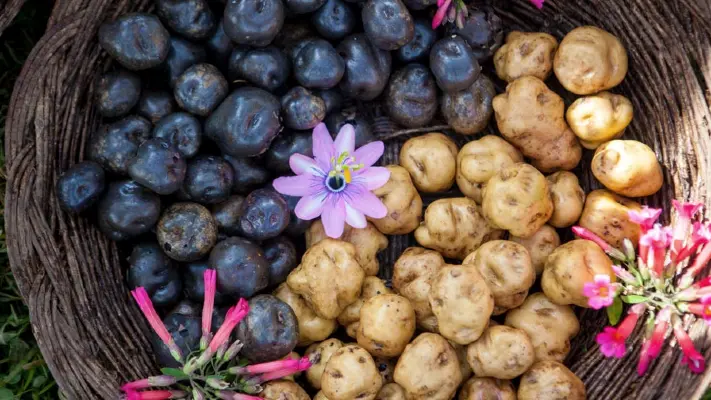
If you’ve only ever tossed a bag of supermarket spuds into your trolley, Andean potatoes will feel like discovering a whole new food group. With thousands of shapes, colours and flavours – and a deep connection to the people of the high Andes – they can change the way you think about a “humble” potato.
In this guide, I’ll walk you through what makes Andean potatoes special, how to experience them in Peru as a traveller, and how to bring some of that magic into your own kitchen, based on nearly two decades of working with food, travel and content. You’ll get practical tips, real examples, and clear answers to common questions so you can search, plan and cook with confidence.
What are Andean potatoes, really?
When people talk about Andean potatoes, they’re usually referring to the traditional potato varieties that have been grown across the Andes for thousands of years. These include native landraces and local types that look and taste very different from the large, uniform potatoes you see in most Western supermarkets.
A few key facts to set the scene:
- Potatoes were first domesticated in the central Andes around 7,000–10,000 years ago.
- Indigenous farmers in the region still grow thousands of varieties (estimates often hover around 4,000 types in Peru alone).
- Andean potatoes come in a wild spectrum of colours – purple, deep red, yellow, blue, almost black – with knobbly shapes and sometimes tiny, finger‑sized tubers.
From a nutritional standpoint, they’re similar to other potatoes: a good source of carbohydrates, fibre, vitamin C, potassium and various B vitamins. Many Andean potatoes are slightly higher in protein and often richer in natural pigments like anthocyanins (the compounds that give purple and blue potatoes their colour and antioxidant properties).
In practical terms: think of Andean potatoes as the “heirloom tomatoes” of the potato world – diverse, characterful, sometimes a bit quirky, but unforgettable once you’ve tried them.
Why Andean potatoes matter (and why I pay attention to them)
From a food‑and‑travel perspective, Andean potatoes sit at the crossroads of nutrition, culture and resilience. Over the years I’ve noticed three reasons they keep coming up in serious conversations about the future of food.
1. Food security and resilience
Andean potatoes have been shaped by farming at serious altitude – we’re talking up to around 4,000 metres in some areas – where frosts, poor soils and steep slopes are part of daily life. Because of that, many varieties are naturally tolerant of cold, variable rainfall and disease, and they can adapt to different microclimates.
In a warming, less predictable climate, crops that can cope with stress become a quiet form of insurance. The huge genetic diversity in Andean potatoes is valuable for breeders, who can draw on these traits to develop new varieties for other regions.
2. Cultural heritage in every field
When you walk through places like Potato Park near Cusco – a community‑run “living museum” conserving more than 3,000 potato varieties – you’re not just looking at plants. You’re seeing a living record of Indigenous knowledge: which potato to plant on which slope, which variety to use for long storage, which to cook for a festival meal.
I’ve sat in community kitchens where elders could name dozens of varieties from sight alone, with a story attached to each – which grandparent favoured it, which festival it was linked to. That depth of connection is something most industrial food systems have lost.
3. Flavour and colour that actually surprise you
From a cook’s point of view, Andean potatoes are fun. Some are waxy and nutty, brilliant for salads or roasting; others are fluffy and earthy, perfect for purées or traditional dishes like papa a la huancaína. The purple and blue types often bring a richer, slightly denser taste and look incredible on the plate.
If you enjoy playing with ingredients or creating dishes that are memorable on both taste and appearance, Andean potatoes are worth seeking out at least once.
Experiencing Andean potatoes as a traveller
Let’s talk practical travel. If you’re heading to Peru (or another Andean country) and you want to experience Andean potatoes properly, here’s how to build them into your trip.
Visit Potato Park or similar community projects
Near Cusco, Potato Park (Parque de la Papa) is one of the best places to learn about Andean potatoes on their home turf. It’s managed by local Indigenous communities and focuses on conserving both the crop and the culture around it.
A typical visit can include:
- Guided walks through fields where you’ll see dozens of varieties growing side by side.
- Explanations (via local guides) of how farmers match varieties to altitude, slope and soil.
- Seasonal activities like planting or harvesting, where you can try traditional techniques under supervision.
- A communal meal featuring multiple potato dishes – boiled, baked in earth ovens, mashed, or prepared as chuño (freeze‑dried potatoes).
From an SEO standpoint, this also means travellers often search for phrases like “Potato Park Peru tour,” “Cusco potato experience,” or “Andean potatoes tasting near Cusco,” so using those naturally in your content makes sense if you publish about your trip later.
Join potato‑focused day tours
Several specialist tour operators around Cusco and the Sacred Valley now offer experiences built around Andean potatoes and highland agriculture. These might combine:
- A visit to farming communities.
- A local market stop to see how potatoes are sold and sorted.
- A traditional lunch or cooking demonstration featuring native potatoes.
Personally, I recommend tours that explicitly mention community partnerships and fair payment to farmers. That way, your experience supports the people actually growing and preserving Andean potatoes, not just a middleman in the city.
Eat where Andean potatoes are taken seriously
In cities like Cusco and Lima, you’ll find restaurants that take Andean potatoes beyond “side dish” status. Some fine‑dining places design entire tasting courses around native tubers, but you don’t need a Michelin‑level budget to enjoy them. Look for:
- Menus that name specific potato varieties (even if they’re hard to pronounce).
- Dishes advertised as “native potatoes,” “papas nativas,” or “variedades andinas.”
- Rustic eateries offering traditional dishes like causa, papa rellena, and papa a la huancaína using local potatoes.
When in doubt, ask servers which dishes use native or Andean potatoes and be open to trying something you’ve never heard of. Some of my best meals came from trusting a recommendation and ending up with a plate of purple, yellow and red potatoes I couldn’t name but still remember.
Cooking with Andean potatoes at home
Maybe you’re not flying to the Andes this year, but you still want to bring some of that variety into your own kitchen. Here’s how to apply the lessons of Andean potatoes wherever you live.
1. Buying tips: what to look for
Outside South America, you may not find true Andean potatoes easily, but you can look for similar traits:
- Colour: Seek out purple, blue, red and yellow‑fleshed potatoes at farmers’ markets or speciality grocers. These often share ancestry or breeding lines with Andean types.
- Variety names: Ask growers if they have heirloom or heritage potatoes, and note down variety names you like so you can ask for them again.
- Size and shape: Don’t shy away from smaller, oddly shaped tubers. Many traditional Andean potatoes are much smaller than supermarket baking potatoes and have irregular shapes.
In my own kitchen, I tend to buy small mixed bags of “baby” potatoes with different colours, then test cook a few to see how they behave before committing them to a big dinner.
2. Cooking methods that respect the potato
Traditional Andean cooking uses a lot of boiling, steaming, baking in earth ovens (huatia), and long, gentle cooking – all methods that suit these potatoes. At home, a few principles work especially well:
- Keep the skins on where possible: A lot of the nutrients – including protein – gather in and just under the skin. Scrubbing and cooking with skins on, then cutting or smashing after cooking, keeps more goodness in.
- Gentle boiling or steaming: Bring water to a boil, salt it well, then simmer until just tender. Overcooking will turn floury potatoes into mush and can wash out colour.
- Roasting at a high heat: Toss in oil, salt and herbs (I like oregano or rosemary), then roast at around 200–220°C until crisp; this brings out the nutty flavours many Andean‑type potatoes have.
- Avoid heavy peeling and deep frying as your default: Fries are great, but if you’ve paid extra for interesting potatoes, it’s a shame to hide all their character.
A simple “Andean‑style” trick I use at home is to roast mixed coloured potatoes and serve them with a punchy sauce inspired by Peruvian huancaína – a creamy, mildly spicy sauce based on cheese and chilli. It’s not traditional in every detail, but it gets you close in spirit.
3. Flavour pairings that work
Andean potatoes can handle bold flavours. Good companions include:
- Fresh herbs: coriander, parsley, huacatay/black mint (or a mix of basil and mint as a substitute).
- Chilli: ají amarillo (Peruvian yellow chilli) if you can find it, or mild fresh chillies.
- Acid: lime or lemon juice cuts through the starch and brightens colours.
- Dairy: fresh cheeses (queso fresco, feta) and yoghurt‑based sauces.
A regular weeknight example from my own kitchen: roasted purple and yellow potatoes, tossed warm with olive oil, lime juice, chopped coriander and spring onions, served next to grilled chicken or a fried egg. Quick, colourful and very forgiving.
Growing Andean potatoes yourself
If you’re the kind of person who likes to get your hands dirty, you can even try growing Andean potatoes, especially if you’re in a cooler region with a decent growing season.
Specialist seed companies in North America and Europe occasionally offer Andean potato varieties or closely related types. A few things to keep in mind:
- Many Andean potatoes are adapted to short day lengths, forming tubers when days get shorter (around late summer/autumn in the Northern Hemisphere).
- They’re often smaller and lower yielding than modern varieties, but with much more interesting colours and flavours.
- Some diploid Andean potatoes have little dormancy, meaning they start sprouting soon after harvest; you’ll want to use them relatively quickly.
If you’re new to this, I’d start with just one or two varieties in containers or raised beds, note how they respond, and treat the first year as a learning experiment rather than relying on them as your main crop.
Health benefits and myths around Andean potatoes
No single food is a magic bullet, but Andean potatoes do offer a solid nutritional package.
Like other potatoes, they provide:
- Complex carbohydrates for steady energy.
- Vitamin C, several B vitamins and minerals like potassium and magnesium.
- Fibre, especially when eaten with the skin.
Some coloured Andean‑type potatoes are richer in anthocyanins and other antioxidants, which researchers link to potential benefits for blood vessel health and reduced risk markers for certain chronic diseases. That doesn’t mean eating them will fix everything, but as part of a balanced diet, they’re a nutritious choice.
In my experience, the bigger win is psychological: when people see a plate of vivid purple or marigold‑yellow potatoes, they become curious about where food comes from again. That curiosity can spill over into trying more vegetables, cooking more often and paying attention to how food is grown – which, over time, can be as important as any single nutrient.
Conclusion: why Andean potatoes are worth your attention
Andean potatoes show what’s possible when tradition and diversity are allowed to thrive: a staple crop that’s beautiful, resilient and deeply woven into local culture. Whether you meet them in a high‑altitude field near Cusco, on a tasting menu in Lima, or in your own oven at home, they’re a reminder that not all potatoes are created equal.
If this has sparked your interest, here’s your next step:
- Planning a trip? Add “Potato Park Peru,” “Cusco potato tour” or “Andean potatoes tasting” to your research list and build one potato‑focused day into your itinerary.
- Staying home? Hunt down colourful, heirloom potatoes at your next market run, roast them simply, and start building your own tasting notes.
Either way, Andean potatoes reward curiosity. Give them some space in your travel plans or your kitchen, and they’ll pay you back in stories, flavours and a new respect for a crop you thought you already knew.
FAQs about Andean potatoes
1. What are Andean potatoes?
Andean potatoes are traditional potato varieties that originated in the Andes mountains and have been cultivated there for thousands of years. They’re usually smaller, more diverse in colour and shape, and often grown by Indigenous communities using time‑tested methods.
2. Are Andean potatoes healthier than regular potatoes?
Nutritionally, Andean potatoes are similar to other potatoes: good sources of carbohydrates, fibre, vitamin C and potassium. Some coloured types can be higher in antioxidants and may have slightly more protein, but the biggest difference is usually in diversity and flavour rather than pure numbers.
3. Where can I try Andean potatoes in Peru?
You can find Andean potatoes in local markets across the highlands and in many traditional dishes in Cusco, the Sacred Valley and beyond. For a deeper experience, consider visiting Potato Park near Cusco or joining a potato‑focused tour that includes farm visits and tastings.
4. Can I buy Andean potatoes or seeds outside South America?
Some specialist seed companies and niche grocers sell Andean potato varieties or close relatives, especially in North America and Europe. Check for heirloom or heritage potatoes, talk to local growers at farmers’ markets, and always follow your country’s rules on importing plant material if you’re tempted to bring anything back from a trip.
5. How should I cook Andean potatoes at home?
Treat them simply and let their natural colour and flavour shine. Boil or steam them gently with skins on, roast at high heat with herbs, or use them in salads and simple dishes that show off their texture. Avoid over‑peeling or masking them with heavy sauces so you can actually taste what makes them different.
About the Author