When “Safe” Winter Sun Turns Wild
If you’ve booked Tenerife or the Canaries for some much‑needed winter sun, the last thing you expect is 70mph winds rattling your hotel balcony and waves smashing over the promenade. Yet we’re seeing more headlines about storms battering Brit‑favourite holiday islands, and a lot of travellers are caught completely off guard.
In this guide, I’ll walk you through what 70mph winds really mean for your holiday, how to stay safe if you’re already there, and how to make smarter decisions before you travel. I’ve been in this game for over a decade, both as a frequent traveller and as someone who helps people plan trips through Your Friend In Travel, so you’re getting practical, no‑nonsense advice you can actually use.
The target keyword we’re working with here is “Tenerife weather warnings” – because that’s what worried travellers are searching when they see those scary storm clips on social media and in the news. By the end, you’ll know how to read those warnings, what’s hype and what’s serious, and how to protect both your safety and your wallet.
What 70mph Winds Really Mean For Your Holiday
Let’s start with the reality check. When you see Tenerife weather warnings mentioning 60–70mph gusts, that’s not “a bit windy by the pool.” That’s strong enough to:
- Rip tiles and panels off older or poorly maintained buildings
- Bring down branches and sometimes whole trees
- Turn loose items (chairs, toys, umbrellas) into dangerous projectiles
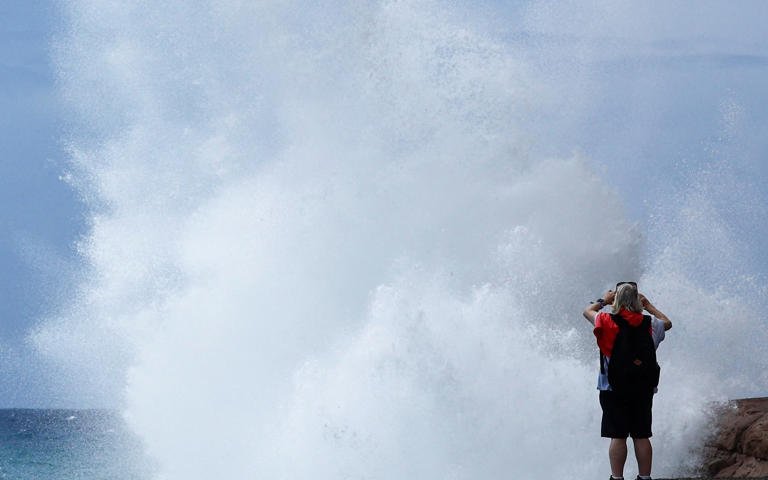
- Whip up big Atlantic waves that can easily knock people off rocks or promenades
On one trip a few years ago, I arrived in the Canaries the day after a major storm. The sun was back out, but half the seafront was taped off, and you could see where chunks of paving had been ripped up by the sea. The hotel bar staff were swapping videos of waves smashing right up to the pool edge the night before.
The key thing: when Tenerife weather warnings talk about 70mph gusts, that doesn’t mean it’s blowing 70mph all day. Gusts are short, strong bursts on top of the normal wind speed. But those bursts are when things break, roofs go, balconies become risky, and walking near the shoreline goes from “bracing” to “genuinely dangerous.”
So if the local authorities are telling people to stay indoors, shut beaches, or close coastal paths, take it seriously. They’re not doing it for fun, and they’ve seen what happens when people ignore the red flags.
Why “Safe” Winter Sun Spots Keep Getting Hit
A lot of Brits think of Tenerife, Gran Canaria and Lanzarote as a guaranteed escape from grim UK weather. You swap drizzle and grey skies for blue water, cold beer, and maybe a bit of volcanic hiking. The marketing absolutely leans into that narrative.
Here’s what’s actually going on behind the scenes:
- The Canaries sit out in the Atlantic, and they’re exposed to powerful systems rolling off the ocean.
- In late autumn through early spring, you get deep low‑pressure systems forming out west, driven by a strong jet stream.
- Some of those systems track towards mainland Spain, Portugal or the UK. Others sweep down or across towards the islands.
The result: most of the time you still get that gorgeous winter sun. But every so often, you get a storm strong enough to bring 60–70mph winds, heavy rain, mountain snow and very rough seas.
I’ve lost count of the number of messages I’ve had from travellers saying something like:
“We came to Tenerife to escape the UK storms and now we’re stuck in the hotel bar watching palm trees bend sideways. What on earth is going on?”
Nothing is “wrong” with Tenerife. It’s just that the line between “perfect winter sun” and “wild Atlantic storm” is thinner than people realise. And as our weather becomes more volatile in general, these stronger events are showing up more often in places people assume are safe bets.
How To Read Tenerife Weather Warnings Like A Pro
This is where you can really shift from anxious scrolling to calm, confident decision‑making. When a storm is on the cards, you’ll typically see:
- Colour‑coded alerts (yellow, amber/orange, occasionally red)
- Mentions of strong winds, heavy rain, snow at altitude and coastal risks
- Local advice about staying indoors, avoiding certain areas, or road closures
Here’s how I recommend you handle Tenerife weather warnings, step by step.
- Check multiple sources
- Look at the official local meteorological service or local government site for the islands.
- Cross‑check with a major global weather app you trust.
- Ignore random viral tweets or TikToks without context – they usually only show the worst 10 seconds.
- Pay attention to timing and location
- Are the strongest winds overnight or during the day?
- Are they hitting the whole island or mainly high ground and exposed coasts?
- Are you staying in a sheltered resort or right on a cliff edge?
- Look for specific impacts, not just dramatic words
- Are they closing roads or parks (like Teide National Park)?
- Are ferry services being suspended?
- Is there coastal flooding risk or beach closures?
If the warnings mention closures, road blocks, or staying indoors during certain times, I treat that as a serious “rethink your plans” moment. If it’s just “strong winds and showers” with no closures, that’s more of a “pack a waterproof and avoid long cliff walks” situation.
Think of it this way: headlines are written to grab attention; Tenerife weather warnings are written to keep people alive. Focus on the second, not the first.
Already In Tenerife During A Storm? Do This, Not That
If you’re already there and the wind is howling around your hotel, here’s the calm, practical game plan I use myself.
Do:
- Stay indoors during the worst of it, especially at night and during peak gust hours.
- Bring balcony furniture, inflatables, and anything loose inside. If you’re on a high floor, this is non‑negotiable.
- Keep curtains or blinds closed on big windows; if glass does break, it helps contain shards.
- Follow hotel instructions: if they close the roof bar, pool, or promenade access, they’ve got good reasons.
- Keep power banks topped up and devices charged in case of short power cuts.
Don’t:
- Go wave‑watching on exposed promenades, harbour walls or rocky outcrops. That’s how people end up in serious trouble.
- Drive up into mountain or rural areas “for a better view of the storm.” Landslides, rockfalls and sudden closures are no joke.
- Assume “it’s fine in town so it’s fine everywhere.” The difference between the coast and high ground in Tenerife can be huge.
One practical example: I once had a couple message me from a hotel near the coast asking if they should still do a cliff‑top hike they’d booked, despite a warning for severe winds on higher ground. The local advice was crystal clear: avoid exposed paths and high‑altitude routes. I told them to cancel. They stayed put, and later that day, local news showed rescue teams helping hikers who’d ignored the same warnings.
Your holiday is not ruined if you sacrifice one hike to stay alive and uninjured. Shift your mindset from “we must do everything on the itinerary” to “we’ll do what’s safe and enjoy the rest.”
About To Travel? Should You Still Go Or Change Plans?
This is the question that hits my inbox the most when Tenerife weather warnings spike:
“We fly in three days and they’re talking about 70mph winds. Do we still go?”
There’s no one‑size‑fits‑all answer, but here’s a simple framework I use with clients.
1. How long will the worst of it last?
If the main storm window is 24–36 hours and you’re going for a week, I’d usually still go. You might have a rough first day or two, but you could still enjoy the back half of the trip.
If the forecasts show days of disruption, multiple systems, or a declared state of emergency, that’s when you seriously look at moving dates or switching destination.
2. What are the official messages saying?
- Are airlines already offering free changes or waivers?
- Has your tour operator been in touch about alternative options?
- Are the local authorities talking about prolonged closures or just temporary precautions?
When everyone in the chain is nervous, that’s a strong signal.
3. How risk‑tolerant are you?
Be honest with yourself. If you’re travelling with young kids, elderly relatives, or anyone with mobility issues, your margin for “we’ll just see what happens” is much smaller.
For some, a stormy day or two means more board games and drinks in the bar. For others, the stress outweighs the break. There’s no right answer; there’s only the right answer for you.
When in doubt, call your airline and accommodation directly. Ask clear questions about flexibility, change fees, and what happens if Tenerife weather warnings escalate after you arrive. Get names, dates and notes of what’s said.
Protecting Your Money: Insurance, Rights, and Smart Booking
Safety comes first, but money matters too. Weather is one of those grey areas travellers regularly misunderstand. Here’s the blunt truth from 10+ years of seeing this go wrong:
- Travel insurance rarely pays out just because “the forecast looks bad.” You usually need actual disruption: cancelled flights, closed hotels, or being unable to reach your destination.
- Non‑refundable bookings are exactly that in many weather situations, unless your provider chooses to be generous.
- Package holidays generally give you better protection and clearer rebooking options when severe weather hits, because the company is responsible for the whole trip.
My practical tips:
- Buy insurance as soon as you book
Not the week before you go. You want cover in place in case things develop or you need to cancel earlier for other reasons. - Read the weather and “force majeure” clauses
Look for phrases like “adverse weather,” “natural disaster,” and “unavoidable extraordinary circumstances.” If you don’t understand the wording, email the insurer and ask them to spell out a couple of storm scenarios in plain English. - Favour flexible options where possible
If you’re travelling in peak storm season, consider:
- Flexible rates for at least the first and last night
- Airlines with sensible change policies
- Paying by credit card for extra Section 75 protection (for UK travellers)
I’ve had clients who paid a tiny bit more for a semi‑flexible booking and slept much better when Tenerife weather warnings popped up a week before departure. The ones who’d gone bargain‑basement non‑refundable often had fewer options and a lot more stress.
A New Mindset For Tenerife Weather Warnings
Here’s the bigger mental shift I’d love every traveller to make:
Weather warnings are not a sign you chose the wrong destination. They’re a sign you’re dealing with the reality of modern travel. The goal is not to find a mythical “storm‑proof” island. The goal is to travel smart enough that when a storm arrives, you’re informed, prepared and flexible.
So next time you see Tenerife weather warnings trending on social media:
- Look up the actual forecast and official guidance.
- Understand what 70mph gusts really mean in terms of risk.
- Adjust your plans, not your whole personality. You can still be adventurous and cautious at the same time.
If you found this helpful and you’d like tailored advice for your next trip, join the Your Friend In Travel email list or reach out for a one‑to‑one planning session. Think of it as having a calm, experienced friend in your corner when the headlines go wild.
FAQs About Tenerife Weather Warnings
1. When is storm season in Tenerife?
Most significant storms and strong wind events tend to hit between late autumn and early spring, roughly November to March. That doesn’t mean the rest of the year is storm‑free, but the risk of 60–70mph gusts and heavy rain is higher in those cooler months.
2. Are Tenerife weather warnings common?
Yellow‑level alerts for wind, rain or rough seas are fairly regular in winter, and most pass with minimal disruption. More serious warnings, especially those involving closures or very strong winds, are less frequent but not rare. It’s worth checking the forecast and official alerts in the week before you travel.
3. Is it safe to visit Tenerife during a weather warning?
Often, yes – as long as you follow local advice. Many trips go ahead with only minor adjustments like skipping a hike or avoiding certain roads. However, if authorities declare serious restrictions, or if you have vulnerable travellers in your group, it’s sensible to review your plans and talk to your airline or tour operator.
4. Will my holiday insurance cover storm disruption in Tenerife?
It depends on the policy and the nature of the disruption. Insurance is more likely to help if your flight is cancelled, your accommodation is unusable, or you’re advised not to travel by official sources. It’s less likely to pay out just because the weather is “worse than you hoped.” Always check the small print and ask your insurer to clarify specific scenarios.
5. What should I pack if I’m travelling to Tenerife in storm season?
Alongside your usual warm‑weather gear, pack a lightweight waterproof jacket, a warm layer for cooler, windy evenings, sensible closed‑toe shoes, and a small power bank. If you’re planning mountain trips, add proper hiking gear and be prepared to cancel if conditions turn unsafe. That way, you can enjoy the sun when it’s out and stay comfortable if the winds pick up.
About the Author